PHILOSOPHY
Our core principles haven’t changed much over the years, but how we achieve them has had to evolve.
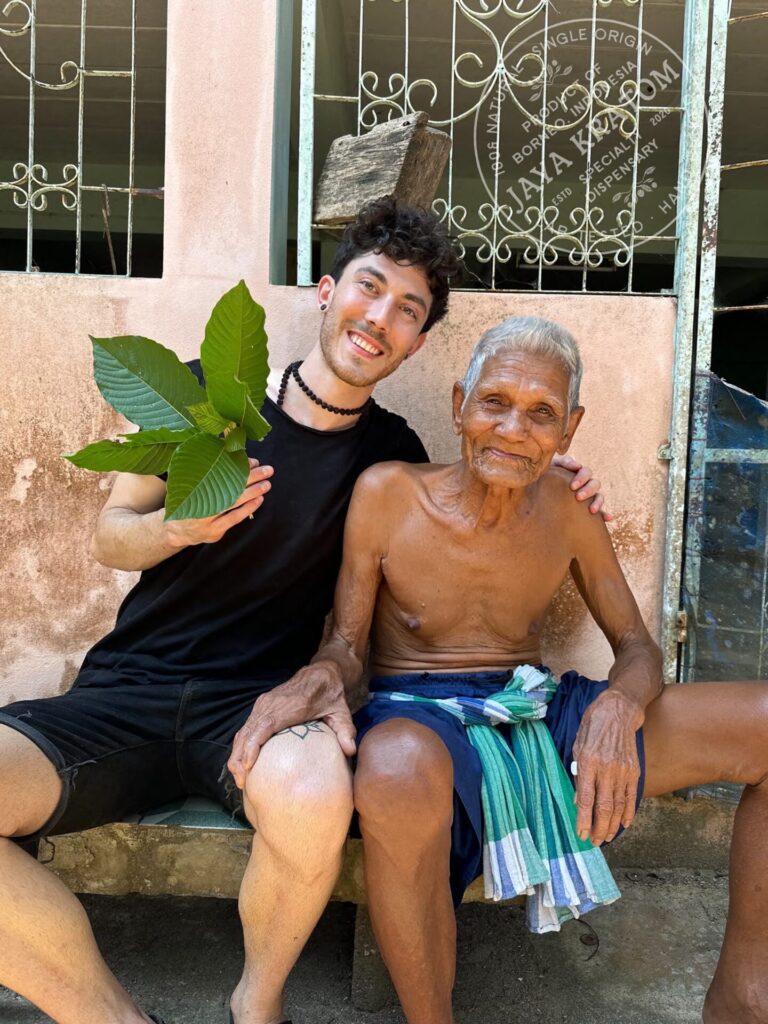
In 2019, we took our first trip out to Borneo to research the kratom industry from a purely academic/journalistic perspective. We spent a month travelling through remote areas, interviewing kratom farmers, exporters, harvesters, government officials, and advocates. The stories we were told, the evidence we saw, and the friendships we developed inspired us to get involved in this industry, which was finally providing a viable alternative to exploitative and environmentally damaging industries (such as logging, mining, and palm oil), which are all too common in the region.
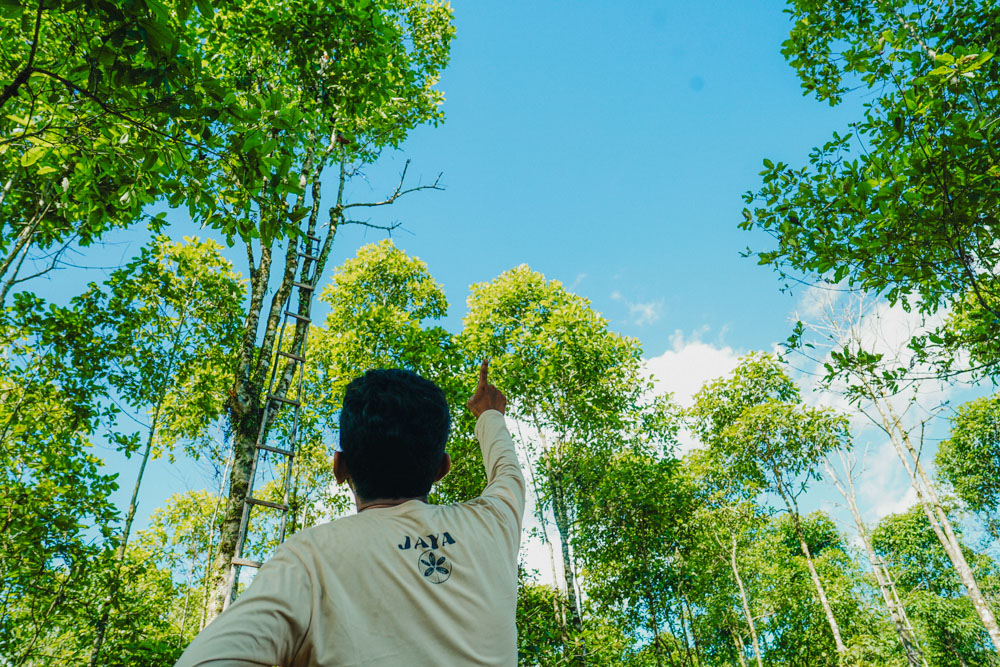
At the time, the majority of the industry consisted of families and small communities pooling their resources (land, labor, and equipment) and selling small shipments to individuals or companies. This meant that money stayed within the family/community, and every person in the supply chain had a personal stake in quality. This system came with its own problems, but in hindsight, it was a golden age for smallholder kratom producers.
In the years since, the demand for kratom has radically increased, especially in the US. This has drastically increased demand and thus put a lot of pressure on supply. While we’re happy to see kratom become more known and accepted, it’s a double-edged sword. Increasingly large shipments dilute quality and lead to corners being cut.
Large-scale container shipments lead to a lower per-kilo price all the way along the supply chain. Money and power are condensed into fewer hands, leading to lower prices and less negotiating power for individual farmers. Increasingly restrictive export laws on the Indonesian side make small-scale export very challenging and expensive. Nowadays, the families and communities that used to handle everything internally just sell their dried leaves to wholesalers who pool the crop of hundreds of farmers into singular bulk shipments. These shipments then arrive to US warehouses where they are sold off in smaller batches, the scale of the supply chain means the kratom could be years old once it finally reaches shelves in local stores
A focus on quantity means a lack of time for quality. We’ve spent years studying kratom cultivation across SE Asia and have never found large batch, commercial kratom plantations coming close to the quality and effects of fresh, small-batch wild-harvest kratom. Large batch kratom also all too frequently relies on sketchy pesticides and chemical fertilizers to maintain over-planted kratom farms in suboptimal locations. Wild kratom, on the other hand, does not require these external inputs and always tests clean from pesticide residue, protecting your health and the delicate Borneo ecosystem.
Watching the industry go downhill prompted us to rewrite the playbook to make sure we can maintain quality and support a socially and environmentally responsible supply chain. We work directly with harvesters we know personally, who have access to the best wild kratom trees we’ve found. We make sure they’re paid well to ensure a careful, selective harvest, and we ask for photos and videos of every part of the harvest and drying process. By knowing the land, we know the production limits and can order at the right time for optimal weather conditions. Working with wild sources means that we can ensure a pesticide-free harvest because wild trees survive in areas that have the best conditions and are naturally more pest-resistant.
In short, it’s been a challenge to uphold small batch, single origin, pesticide-free principles, and the industry is ever-evolving, but the only version of the kratom industry that we are interested in participating in is the one that benefits everyone, from our customers on the US side to the harvesters in remote Borneo.